TRUSTED BY 100+ BUSINESSES
Including

.jpg?format=pjpeg&width=1600&quality=75&auto=webp)

Including
Many plastic manufacturers and fabricators offer plastic turning services, yet many of those same ones also work with metal and other materials that could corrupt the plastic project you hope to complete. In our plastics-only facilities, our multi-axis CNC lathes produce tight tolerance, precision finish components complete right from the machine. We have 30K+ ft² of factory floor that holds 2-axis, 5-axis, and 7-axis machines for custom components that need a cylindrical or round shape and smooth surfaces. With these machines, we embrace the challenge of turning difficult-to-machine parts that must meet specs perfectly.
To load this content, approve your cookie preferences and allow the required cookies.
We specialize in micromachining and micro-plastics manufacturing. We can work with tolerances as tight as ± 0.0005 in (0.0127 mm) or better for those tiny parts like those in semiconductors.
Also, to ensure that the qualities of your chosen high performance plastics lose no structural integrity, our customers can count on us for post annealed parts. This gives components more stability and durability after initial manufacturing. We adapt our CNC machining for turned components that require post anneal for stress relief, increased strength, and improved electrical qualities.
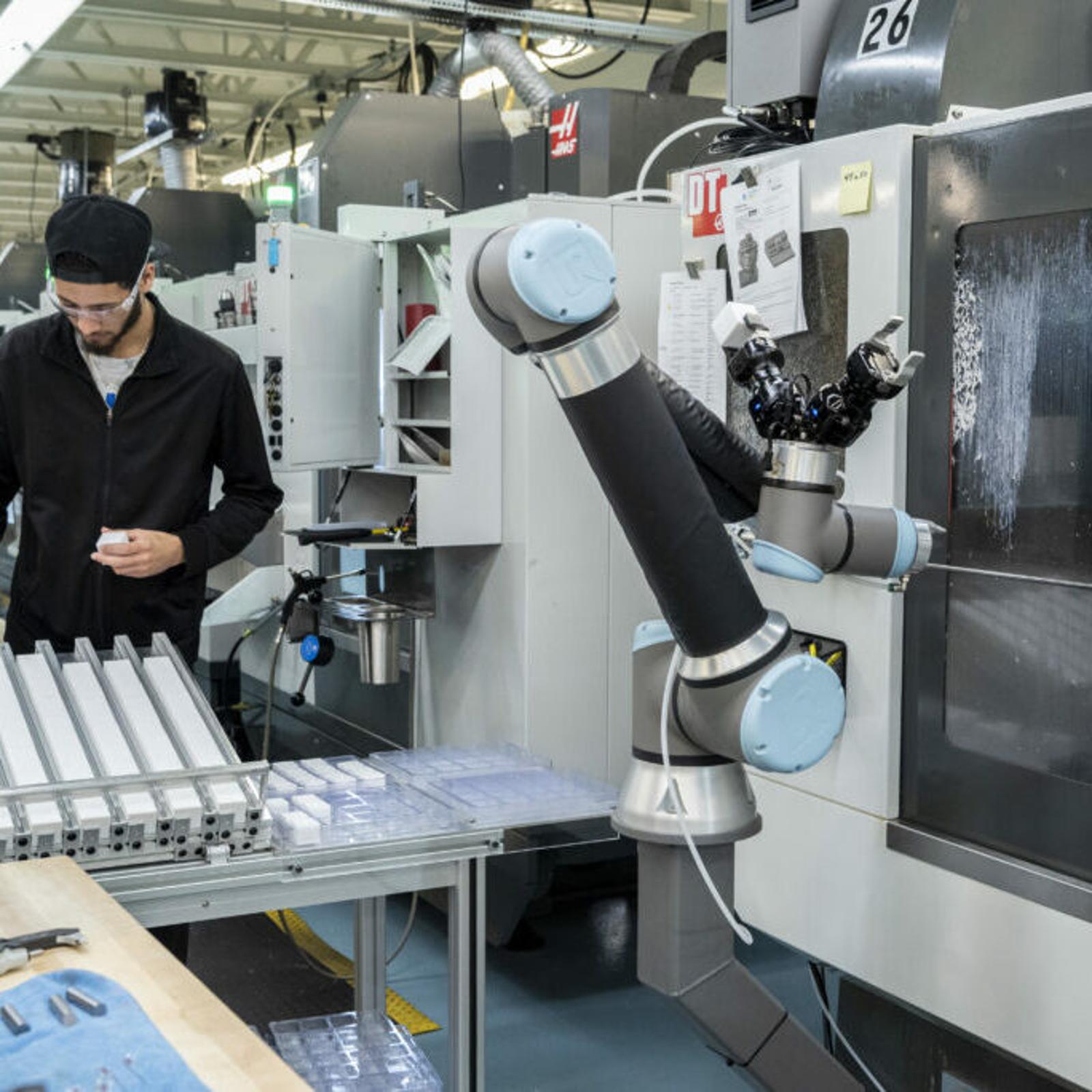
We produce superior finishes and extremely close tolerances.

We manage difficult configurations with proprietary stress relieving and specialized tooling.

With decades of experience, we have turned nearly every type of plastic available in stock form.
Material | Machinability Notes | Typical Achievable Tolerance | Common Turned Applications |
Acetal / Delrin® | Excellent machinability. One of the most dimensionally stable engineering plastic, but its coefficient of thermal expansion means tight-tolerance parts should be measured after temperature stabilization. |
±0.0005"–0.002" |
Precision bushings, gears, fittings, valve components |
PEEK | Machines similar to Delrin with clean chips, predictable cuts; but is significantly harder on tooling. Holds tight tolerance well once annealed. |
±0.001"–0.002" | Medical implants and instrumentation, aerospace components, seals in high heat/chemical environments |
PTFE (Teflon®) | Soft and prone to creep under clamping and cutting pressure. Needs sharp tooling, low cutting force, and stress-relief handling to hold tighter tolerances. |
±0.001"–0.005" |
Seals, gaskets, chemical-resistant manifold and valve components |
ULTEM® (PEI) | Rigid and dimensionally stable. Handles high continuous-use temperatures well, machines predictably. |
±0.001"–0.003" | High-temp electrical insulators, sterilizable medical device components |
Polycarbonate | Stiff with moderate thermal stability but prone to crazing or cracking if speeds/coolant aren't controlled. Benefits from annealing for tight- tolerance features. |
±0.002"–0.005" |
Structural housings, impact-resistant components |
PVDF | Good chemical resistance and moderate machinability. |
±0.002"–0.005" | Chemical-resistant fittings, semiconductor and fluidics components |
Torlon® (PAI) | Very high-performance, heat-and wear-resistant; but machines slowly and is sensitive to heat buildup during cutting. |
±0.001"–0.002" | High-load bearings and bushings in extreme-environment aerospace/oil C gas applications |
Nylon | "Gummy" and flexible. Tends to deform under the tool and produce long stringy chips.Absorbs moisture, which shifts dimensions post-machining if not conditioned. | ±0.003"–0.005" (tighter achievable with moisture conditioning) | Wear components, rollers, insulating standoffs |
UHMW | Low friction and impact-resistant, but softness makes tight tolerances difficult and the material can creep over time under load. | ±0.003"–0.005" | Low-friction wear pads, bushings, conveyor components |
Depending on material, part size, and geometry, we can hold tolerances as tight as ±0.0005 in (0.0127 mm) on select features. However, the actual achievable tolerance is material- and part-specific rather than a single blanket number because plastics behave differently than metal on a lathe. Environmental factors like thermal expansion, moisture absorption, and clamping pressure all affect the final dimension. We'll tell you during quoting exactly what's realistic for your design, and flag any feature that needs a tighter callout or further consideration.
And more
Get instant access and gain info you can share with your design and sourcing teams by completing the form below.
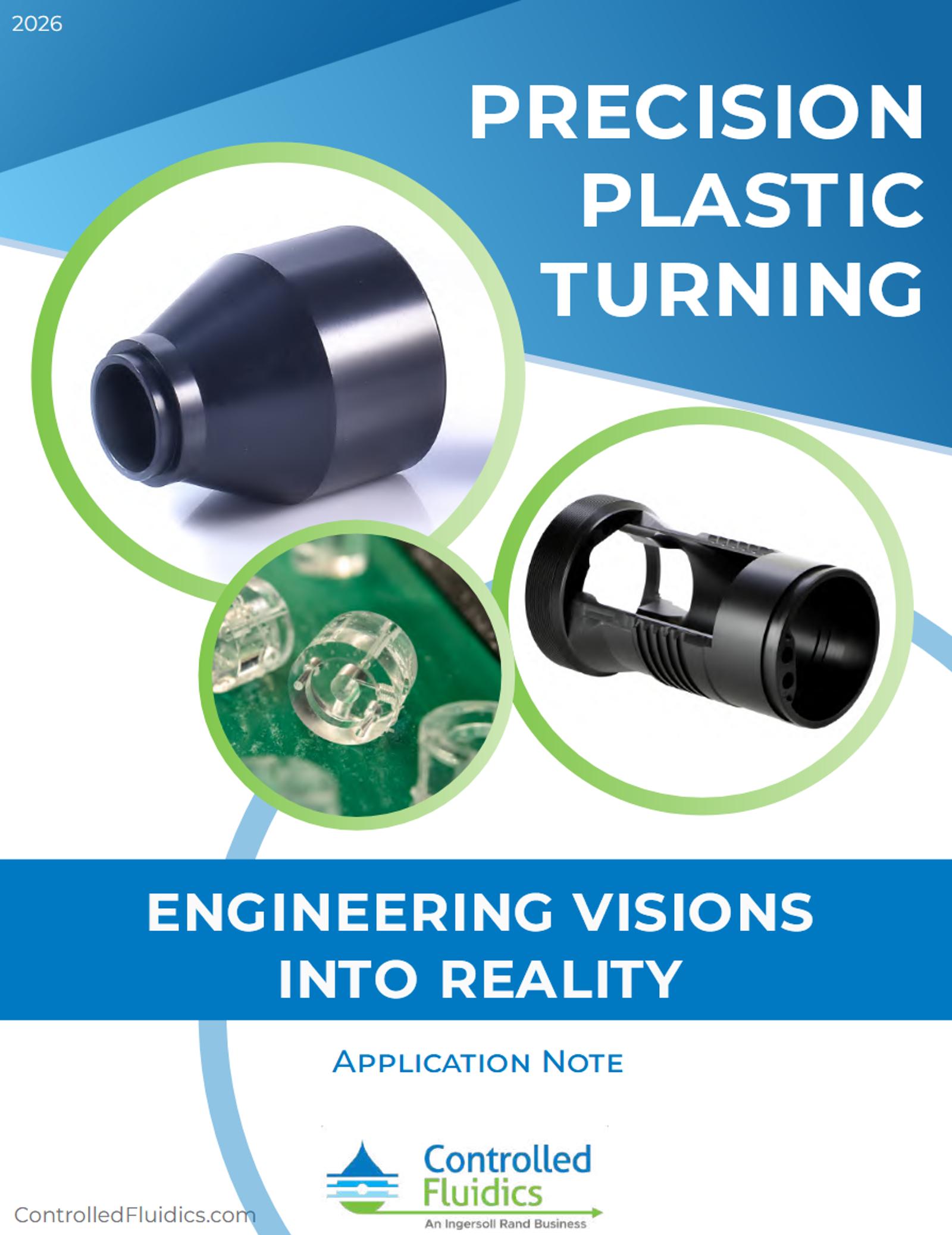
(* required fields)
"We are very happy with the work order that was successfully completed Tuesday. As we started earlier, please thank those involved in manufacturing these parts. Our production folks are thrilled about the results using CF parts (we had no failures!) and looking forward to defect free parts on future orders"
REACH OUT TO US
