.jpg?format=pjpeg&width=1600&quality=75&auto=webp)
- Durable and tough
- Excellent impact strength
- High chemical resistance
- Low corrosion rate
- FDA compliant
- UV resistant
- Low moisture absorption rate
- Wide temperature range
- Lightweight
- Recyclable
- Resistant to microorganisms
- Easy fabrication
- Pigment receptive
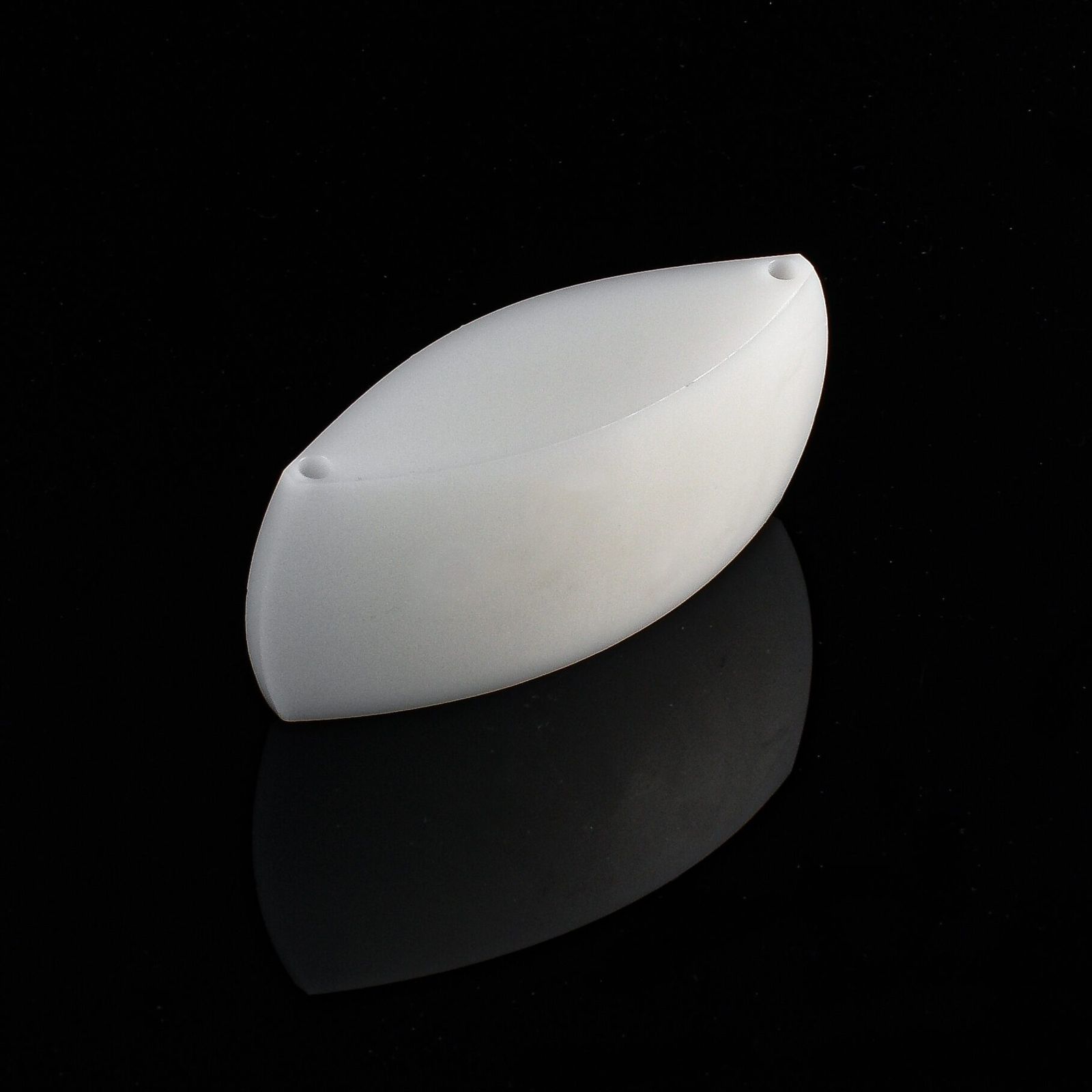
RIGID & CHEMICALLY RESISTANT WITH EXCELLENT IMPACT STRENGTH
HDPE (high density polyethylene) is a hard, rigid polymer with excellent impact strength. Its high chemical resistance makes HDPE easy to clean and disinfect, and the polymer can withstand higher temperatures (up to 180°F) than other varieties of polyethylene. Highly versatile in its uses along with FDA approval, this material makes HDPE a common choice for food processing applications among many others.
While this video mostly addresses its sibling, LDPE, they share quite a few similarities that might have relevance.
Grade | Product Characteristics | Common Applications |
|---|---|---|
HDPE | Excellent impact strength, chemical resistance, temperature resistance to 180°F | Corrosion resistant piping, food processing components, medical devices |
This versatile and widely used plastic material has a wide variety of applications because of its many qualities. Its combination of durability, high chemical resistance, and broad temperature range give this material a place in some of the top spots for materials commonly used today.
Because of its high density profile, it offers more strength and longevity than other materials. It retains its shape and integrity despite any sudden or intense impacts it may take. This also includes exposure to environmental factors. Many have noticed that the material can withstand these tougher situations involving prolonged exposure to UV radiation, moisture, and colder temperatures.
Additionally, HDPE resists corrosive chemicals without much issue. It does not matter greatly if the chemical is an acid, base, or other chemical type. To see HDPE's performance grades against specific chemicals, visit our chemical resistance chart.
This also applies to water and water-based solutions. While other materials absorb some throughout its use, HDPE has low moisture absorption that enables its ability for use in humid and wet environments without compromising the material. This lower moisture absorption also makes it less habitable for microorganisms. It actively resists mold, mildew, and most forms of bacterial growth. For this reason, designers use this material for piping and liquid distribution.
Even though HDPE has a lower melting point than some other plastics, it tolerates colder temperatures better than some others. Having a wide operational range, the material handles temperatures ranging from -50°C to 82°C (-58°F to 176°F). This fused with its other durable properties make this suitable for use in outdoor situations that need to last.
COMMON HDPE APPLICATIONS
- Food processing components
- Medical devices (not implants)
- Research components (e.g. bottles, containers)
- Water distribution & gas piping
- Industrial and construction products
While this video mostly addresses its sibling, LDPE, they share quite a few similarities that might have relevance