.jpg?format=pjpeg&width=1600&quality=75&auto=webp)
- High strength and rigidity
- Good impact resistance
- Low water absorption rate and hydrolysis resistant
- Excellent dimensional stability
- Low tendency to creep
- Great chemical resistance to bleach, alcohols, salts
- Good thermal stability with high melting point
- Effective electrical insulator
- Weather resistant
- Some grades flame resistant
- Easily molded and versatile
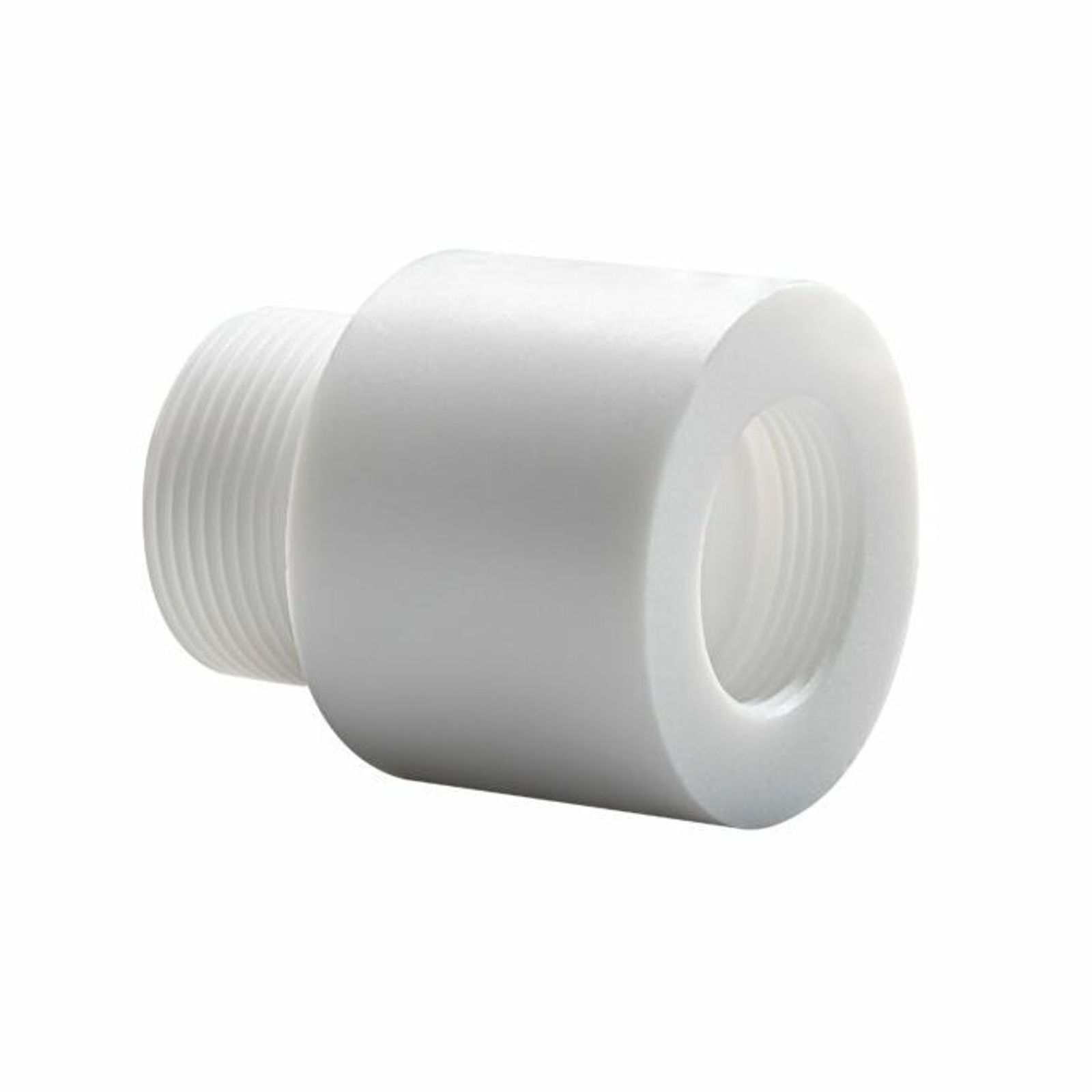
DIMENSIONALLY STABLE MATERIAL WITH GOOD FRICTION & WEAR PROPERTIES
Most know polybutylene terephthalate (PBT) as a strong, rigid, and stable resin popular in the food industry as well as in electrical and research applications. This type of polyester derives itself from the polymerization process between butanediol and terephthalic acid that results in a linear molecular structure with repeating ester linkages.
Exhibiting an excellent combination of mechanical, electrical, and thermal properties, PBT stands as one tough resin that can outlast other materials that might otherwise degrade under such intense operation.
Watch the video below, and get to know PBT in under 1.5 minutes.
Grade | Product Characteristics | Common Applications |
|---|---|---|
PBT | High dimensional stability, low tendency to creep, good friction and wear properties, resistance to cleaning solutions | Food processing components, electrical components, research components |
PBT has a semi-crystalline structure that contributes to the resin's high tensile strength and modulus of elasticity. Its noteworthy rigidity, high dimensional stability, and low tendency to creep make this material stand out in terms of durability. Along with great friction and wear resistant properties, this makes it difficult for the material to melt or wear down after consistent use. This also makes it somewhat tough (with some available grades) to catch fire.
Regarding its thermal stability, PBT demonstrates great abilities to take the heat with a relatively high melting point and operation range. With its melting point around 225-235°C(437-455°F), the material can withstand elevated temperatures without compromising its structural integrity — whether from friction or other causes.
These properties mark PBT as a resin that lasts and as a top choice for use in tough and some extreme environments. This includes environments that involve exposure to weather elements and UV radiation. Rain, humidity, and sun have little effect on the resin's structural integrity as it does not readily absorb moisture that could compromise its strong dimensional stability.
Due to these factors, along with its resistance to chlorine and caustic cleaning solutions, products used in the food industry often utilize PBT as their core resin and material makeup. If engineers and designers need a resin that will withstand acids, bases, and urea, we strongly recommend seeking other resins that might suit the product's purpose better. PBT is not known for with standing the chemical strength of these materials.
PBT comes in a wide variety of colors, ranging from white to bright colors.
COMMON PBT APPLICATIONS & USES
- Automotive components like connectors, sensors, housings
- Electrical applications
- Consumer goods
- Industrial equipment in food-related operations
Plastic Machining with PBT Plastic transcript